
The Lifecycle of a Cotton Bag: From Farm to Reuse
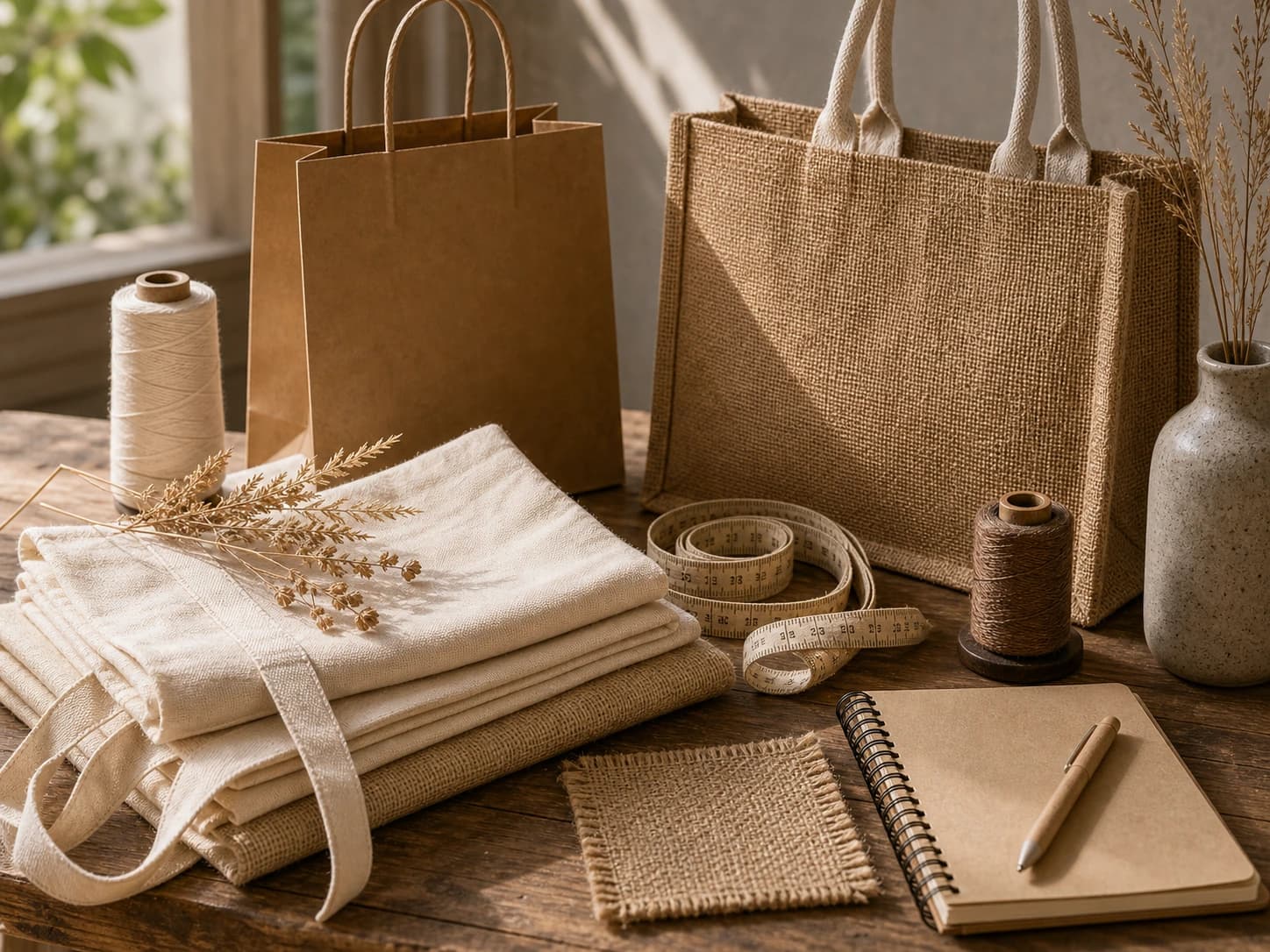
A cotton bag can begin as a crop in a field, become a familiar part of a shopping routine, and remain useful long after a single purchase. Its environmental story is not decided by the word “cotton” on a label. It depends on how the fibre is grown, how the bag is made and transported, how often it is reused, and what happens when it wears out. Understanding the lifecycle of a cotton bag helps Kerala households and businesses make practical choices rather than treating any bag as automatically sustainable.
1. It starts with the cotton crop
Cotton is a natural fibre harvested from the seed pods of the cotton plant. Before it becomes a bag, it has already used land, water, energy and labour. The amount varies with growing conditions and farming practices, so there is no single footprint that applies to every cotton bag. Irrigation needs, soil health, pest management and the distance from farm to processing all matter.
For buyers, the useful first step is to ask clear questions of a supplier: where is the fabric sourced, what weight and weave are used, and can the supplier explain the product’s material composition? A natural fibre is a starting point, not a complete environmental assessment. Transparent sourcing makes it easier to compare options and avoid vague claims.
2. From harvested fibre to usable fabric
After harvesting, cotton is separated from seeds, cleaned, spun into yarn and woven or knitted into fabric. The fabric may then be dyed, printed or finished before it is cut and stitched. Each process uses resources, and additional treatments can affect how easy a bag is to wash or recycle. A simple, durable construction can often be more useful than unnecessary layers or decorative components.
Choose a fit-for-purpose fabric
Heavier fabric can feel robust, but the best choice is not automatically the thickest one. A grocery shopper carrying heavy items may need reinforced seams and a comfortable handle, while a boutique may need a lighter bag sized for clothing. Match the fabric weight, dimensions and stitching to the expected load. This avoids paying for material that does not improve the bag’s real service life.
3. Cutting, stitching and quality checks
Fabric is cut into panels, handles and any pockets or gussets, then stitched into the finished bag. Pattern planning can reduce offcuts, while consistent stitching helps prevent early seam failure. Quality checks should include handle attachment, seam strength, clean finishing and whether the bag sits properly when loaded. For a business ordering in bulk, it is sensible to approve a sample and test it with the kind of products customers will actually carry.
4. Transport and the local context
A finished bag may travel through several stages before reaching a retailer. Transport distance, shipment size and packaging all influence its overall footprint. Businesses in Kochi and elsewhere in Kerala can ask suppliers about delivery schedules and practical options for consolidating orders. Planning purchases around realistic demand can also reduce rush shipments and excess stock.
Kerala’s monsoon conditions deserve attention in day-to-day use. Cotton fabric can absorb moisture, so a damp bag should be emptied and dried fully before storage. Retailers can communicate this simple care tip on a small tag or at checkout. Local relevance is not only about where a product is made; it is also about whether its design and care instructions work for local weather and shopping habits.
5. Reuse is where the lifecycle continues
A cotton bag delivers value when it replaces repeated disposable packaging. Keep one near the doorway, in a work bag or in a vehicle so it is available when needed. Businesses can encourage repeat use by making bags comfortable, easy to fold and suitable for more than one shopping trip. Customers are more likely to keep a bag that fits their routine and is not awkward to carry.
There is no universal number of uses that makes every cotton bag the better option. The answer depends on its materials, production, care and the alternatives it replaces. The practical aim is therefore straightforward: use the bag many times, avoid treating it as a one-time promotional giveaway, and repair small problems before it ends its useful life.
6. Simple care extends useful life
Care instructions should follow the fabric and print specifications from the supplier. In general, empty the bag after use, shake out crumbs, spot-clean small marks and allow it to dry completely. If a deeper wash is needed, use a gentle method appropriate to the product and avoid storing it while wet. Regular inspection helps identify loose stitching or a small tear before it grows.
- Store the bag clean and dry, away from prolonged dampness.
- Do not overload it beyond the strength of its handles and seams.
- Repair a loose handle or seam when possible instead of discarding the whole bag.
- Wash only as needed, following the maker’s care guidance.
7. Repair, repurpose and consider end of life
When a bag is no longer suitable for shopping, it may still serve as a storage pouch, a liner for household items or a cloth for cleaning, depending on its condition and cleanliness. Reuse in another role keeps its material in service. If it is torn, consider whether a repair is practical. End-of-life options depend on the actual fabric, thread, labels, coatings and local collection facilities; do not assume that every finished textile item can go into a particular recycling stream.
8. What businesses should check before ordering
For an MSME, lifecycle thinking can also improve purchasing decisions. Before placing a bulk order, write down the purpose, expected load, size, branding needs and likely reuse pattern. Then compare samples and total delivered cost rather than looking at unit price alone.
- Define the use: Decide whether the bag is for groceries, apparel, gifts or everyday retail purchases.
- Check durability: Review fabric, seams and handles, and test with representative products.
- Keep specifications clear: Confirm dimensions, material, print placement, colour and quantity in writing.
- Plan distribution: Give bags to customers who can use them, and invite them to bring them back.
- Ask for care details: Share simple instructions so the bag stays useful for longer.
For shops in Kochi, a well-designed reusable bag can support a consistent customer experience while reducing reliance on throwaway carry bags. It should be one part of a broader packaging plan that considers product protection, customer convenience, procurement and waste prevention.
9. A more useful way to judge a cotton bag
The journey from farm to reuse shows why sustainability is not a label alone. Responsible sourcing, efficient manufacturing, sturdy construction, thoughtful transport, repeated use and realistic end-of-life choices all contribute. No material choice removes every impact, but better information helps businesses choose products that perform well and are used fully.
If your shop, event or organization is planning reusable packaging, start with the way customers will use it and specify a bag that suits that job. Contact Natura Bags to discuss cotton bag sizes, fabric choices and branding options for your requirements.
Natura Bags is a Geo Enterprises company based in Kochi, Kerala.