
Eco-Friendly Cold Chain Packaging for Perishables
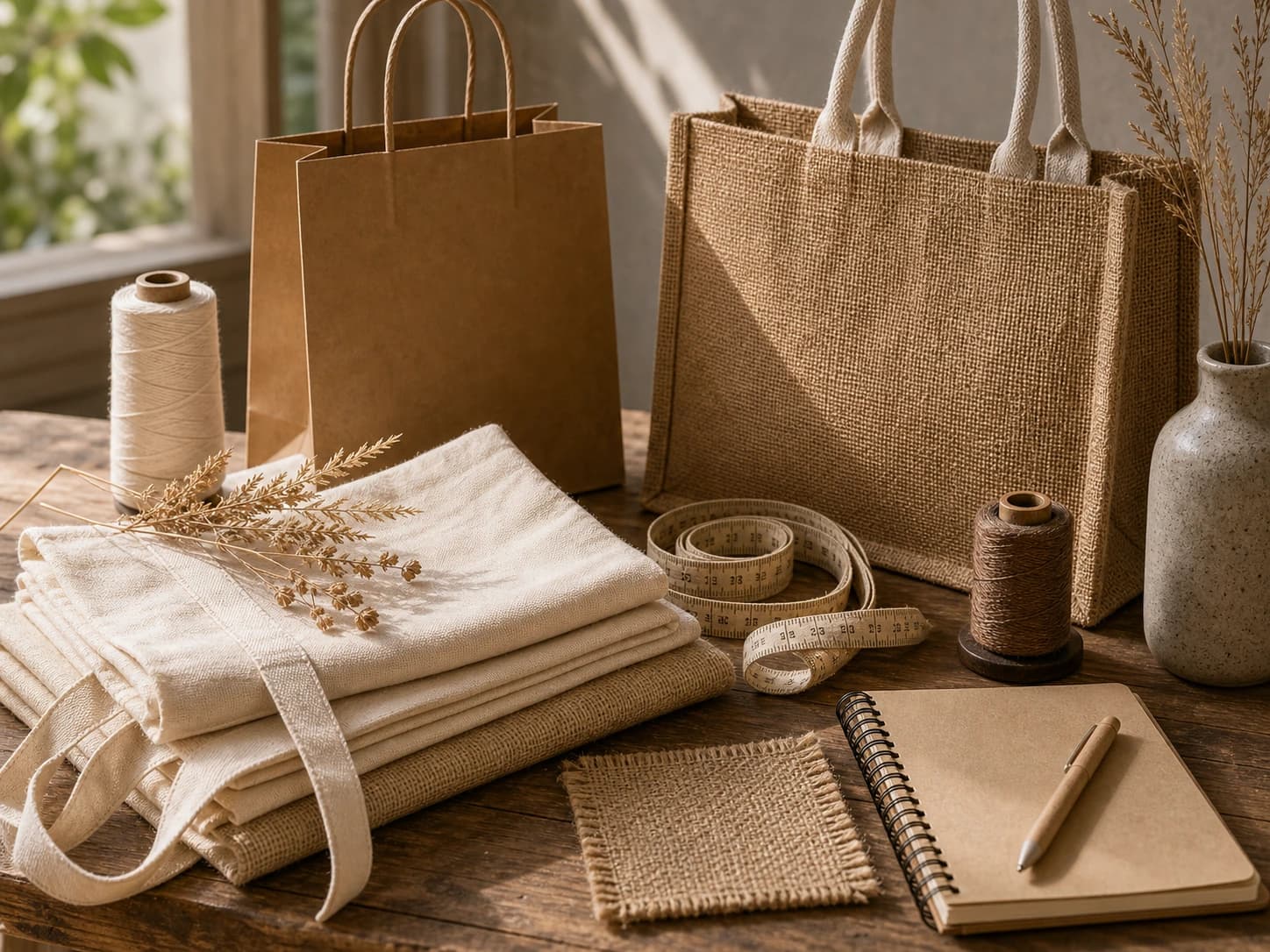
Meta description: Learn how eco-friendly cold chain packaging can protect perishable shipments while supporting food safety, reducing damage and helping Kerala businesses choose practical secondary packaging.
Fresh fish from the coast, dairy products, prepared foods and farm produce all depend on careful handling between dispatch and delivery. A parcel can travel only a few hours and still face heat, humidity, vibration, condensation and repeated loading. Packaging cannot replace refrigeration, but the right packaging system can help protect a shipment and make the cold chain more dependable.
For small food businesses, online sellers and logistics teams in Kochi and across Kerala, the goal is not simply to choose a material labelled “green.” It is to match the package to the product, route, temperature conditions and handling risks—without compromising hygiene or food safety.
What cold chain packaging actually does
A cold chain is the series of temperature-controlled steps that keep a perishable product in suitable conditions from packing through transport and delivery. Packaging is one part of that system. The primary pack touches the food and must be appropriate for that use. Secondary packaging groups, cushions or shields the sealed primary packs during movement. Insulated boxes, liners, dividers, absorbent pads and outer courier packaging each have different roles.
Packaging does not chill a warm product or keep it safe on its own. Pre-cooling where required, suitable refrigerated storage and transport, quick hand-offs, and temperature monitoring remain essential. FSSAI’s advisory dated 15 October 2026 calls on food businesses handling perishable commodities to maintain prescribed temperatures throughout the supply chain, use clean and covered hygienic vehicles, use food-grade packaging with suitable secondary packaging, and protect products from dust, moisture, pests, physical damage and cross-contamination. Read the FSSAI advisory.
Start with the product and the journey
Before choosing a courier bag, liner or outer box, map the shipment from packing bench to customer. Ask what the product needs, how long it will be in transit, how many times it will be handled, and what could leak, crush or contaminate it. A chilled paneer order, a sealed fish shipment and a box of fresh vegetables do not have identical packaging needs.
- Separate food-contact and outer packaging. Use food-grade materials where packaging touches food. Keep the secondary outer layer clean, intact and suitable for the journey; do not treat a general-purpose shopping or courier bag as a food-contact pack.
- Contain leaks and moisture. Use a sealed, suitable primary pack and add an appropriate leak-resistant layer where needed. Condensation can weaken paperboard and labels, so test the complete pack under realistic chilled conditions.
- Prevent movement and crushing. Choose a box, divider or cushioning arrangement that keeps containers upright and reduces movement without blocking airflow when airflow is part of the product’s handling plan.
- Match insulation to the route. If the product requires temperature control, select insulation and coolant only as part of a validated packing plan. Do not assume that adding more coolant automatically guarantees a safe temperature.
- Make identification easy. Clear handling labels, delivery details and batch information help staff sort and trace consignments. Labels should remain readable after exposure to cold and moisture.
These choices echo the transport principles in the Codex General Principles of Food Hygiene: protect food from contamination and damage, use suitable containers and conditions for the particular food, and make necessary environmental conditions checkable.
Choosing a more responsible packaging format
“Eco-friendly” is not a single material specification. A better choice considers food safety, protection, weight, pack size, local collection options and whether a component can be reused or recycled after use. Over-packaging creates avoidable waste, but using too little protection can lead to damaged goods, rejected orders and more waste overall.
Use only what the shipment needs
Right-size the outer package to reduce empty space and unnecessary material. Use inserts only where they protect against a real risk. Where a reusable crate or insulated carrier can safely return through a reliable collection loop, compare its washability, return rate and transport burden with a single-use option. A reuse system works only when the item can be cleaned appropriately and actually makes it back into circulation.
Check the end-of-life route locally
Paper, recyclable plastics and reusable components are useful only when they are clean enough and accepted by the available recovery system. A wet or food-soiled component may not be suitable for ordinary paper recycling. Ask suppliers what a material is made from, what conditions it requires, and how customers can dispose of it in the areas you serve. Avoid vague claims that a package will “disappear” or “compost anywhere.”
Practical steps for Kerala MSMEs
- Classify your products. List the required storage and delivery conditions for each item with your food-safety lead or qualified supplier.
- Design a test shipment. Pack a representative order, send it over the real route, and inspect it on arrival for temperature-control records, leaks, crushed corners, condensation and label legibility.
- Record and improve. Track complaints, rejected deliveries, packaging damage and material use. Change one element at a time so you can see what actually improves performance.
- Train everyone handling the parcel. Brief packing staff, drivers and delivery partners on the product’s handling instructions, loading order and escalation steps when a delay or equipment issue occurs.
Kerala’s warm, humid conditions and busy urban delivery routes make moisture resistance, clean handling and dependable hand-offs especially important. A packaging trial should reflect the actual trip—whether it moves through Kochi traffic, travels to another district or goes to a customer through an e-commerce network. Businesses should follow the food-safety requirements applicable to their products and licenses rather than relying on a generic packaging claim.
Build a safer, lower-waste delivery system
The strongest approach combines the right primary pack, fit-for-purpose secondary packaging, controlled temperatures, clean vehicles and documented handling. Treat packaging as one protective layer in a larger operating process, and choose materials only after checking food-contact suitability, route performance and end-of-life options.
If you are reviewing courier or secondary packaging for perishable deliveries, contact Natura Bags to discuss suitable formats, sizes and bulk requirements for your business. Test any proposed package with your actual product and route before rolling it out.
Natura Bags is a Geo Enterprises company based in Kochi, Kerala.